UGC Equity Regulations 2026: A Landmark Push for Inclusive Campuses or a Polarizing Policy?
In the first week of January 2026, India’s higher education landscape witnessed a significant regulatory overhaul when the University Grants Commission (UGC) notified the ‘University Grants Commission (Promotion of Equity in Higher Education Institutions) Regulations, 2026’. Popularly dubbed the ‘UGC Bill 2026’ or ‘UGC Equity Regulations 2026’ in media and public discourse. These rules replaced the advisory of 2012 framework with mandatory, enforceable mechanisms to combat discrimination in universities, colleges, and other higher education institutions (HEIs).
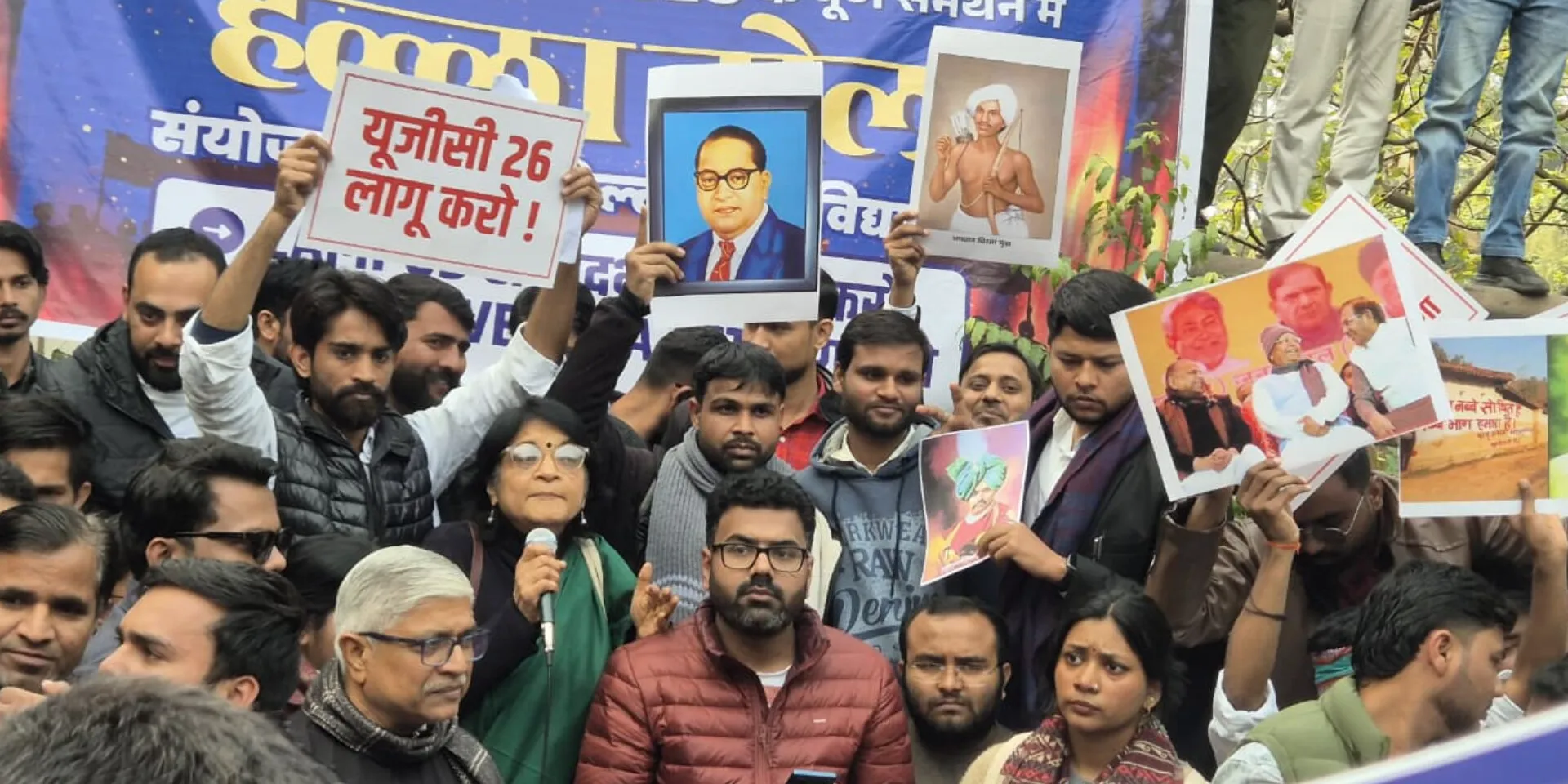
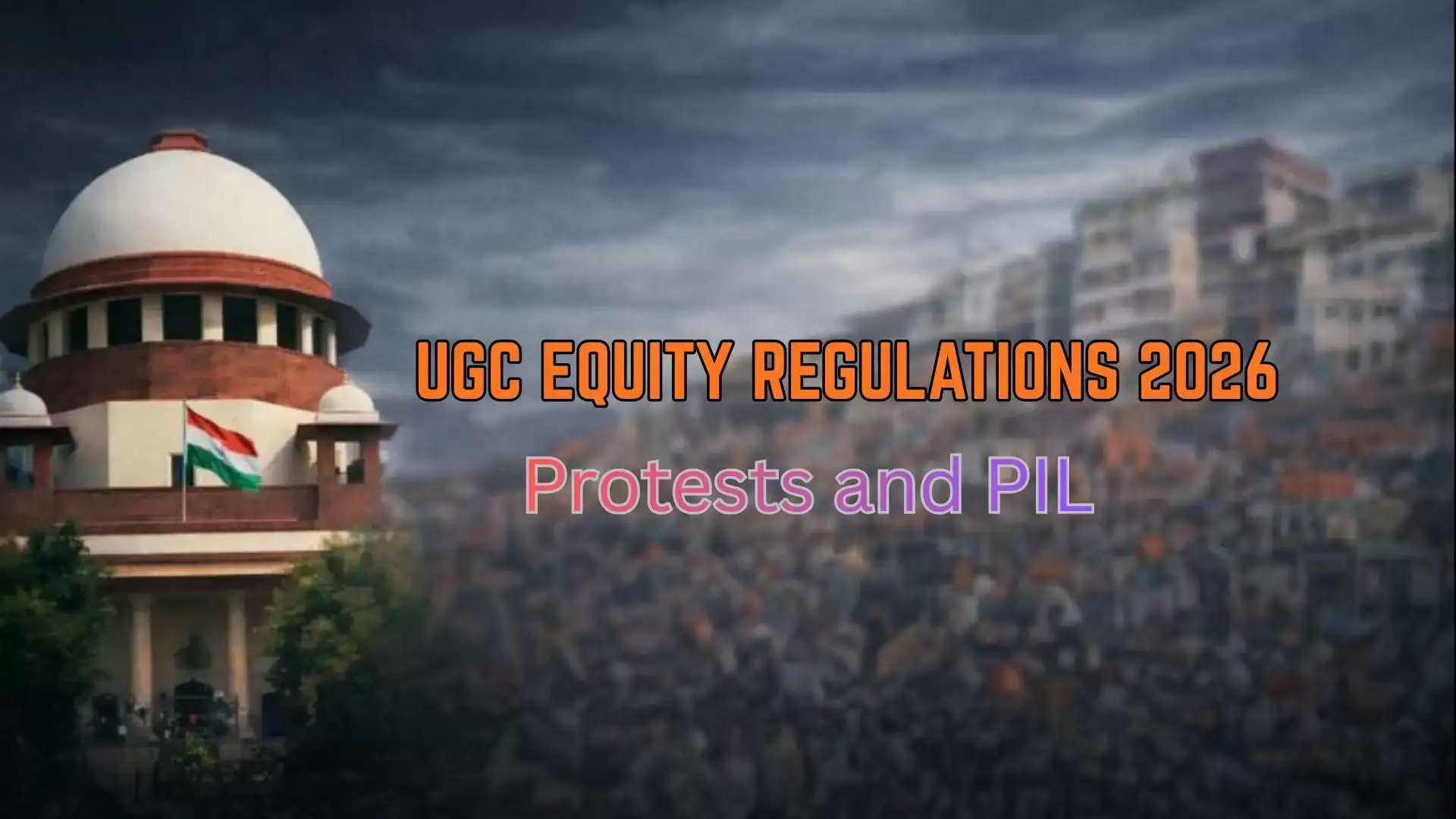
The regulations arrived against the backdrop of the National Education Policy (NEP) 2020’s emphasis on equity and inclusion, a documented surge in caste-based harassment complaints and high-profile student suicides allegedly linked to systemic bias. Proponents hailed them as a long-overdue tool to make campuses safer for marginalized communities. However, Critics decried them as vague, one- sided and potentially divisive. Within weeks nationwide protests erupted, culminating in a Supreme Court stay on January 29, 2026. As of February 2026, the 2012 regulations remain operative, while the new rules are under judicial scrutiny.
Background: From Advisory Guidelines to Binding Law
The UGC, established under the UGC Act, 1956, has long held the mandate to promote and maintain standards in higher education while ensuring equality of opportunity. The 2012 UGC (Promotion of Equity in Higher Educational Institutions) Regulations were a first step, outlining basic anti-discrimination measures. However, they were largely advisory, lacking teeth for enforcement. Compliance was patchy and many institutions treated them as mere paperwork.
Data from UGC and parliamentary records revealed a troubling trend: discrimination complaints in HEIs rose 118.4% from 173 in 2019-20 to 378 in 2023-24, with over 1,160 cases in five years, many involving caste based issues. Tragic incidents amplified the urgency. The 2016 suicide of Dalit scholar Rohith Vemula at the University of Hyderabad and the 2019 death of Payal Tadvi, a tribal medical student in Mumbai, both allegedly due to caste-based harassment, prompted Supreme Court interventions. Petitions by the mothers of Vemula and Tadvi highlighted institutional failures and called for stronger safeguards.
The NEP 2020 further prioritized “full equity and inclusion,” targeting a 50% Gross Enrolment Ratio (GER) by 2035, with special focus on Socio-Economically Disadvantaged Groups (SEDGs) including Scheduled Castes (SCs), Scheduled Tribes (STs), Other Backward Classes (OBCs), Economically Weaker Sections (EWS), Persons with Disabilities (PwD), and women. The 2026 regulations were framed under Sections 12(j) and 26(1)(g) of the UGC Act to translate these aspirations into actionable mandates, superseding the 2012 version and applying to all HEIs—central, state, deemed universities, colleges, and even open/distance learning (ODL) and online programs.
Key Provisions: Mandatory Structures and Strict Timelines
The regulations are structured around prevention, redressal, monitoring, and defined broadly as “any unfair, differential, or biased treatment… on the grounds only of religion, race, caste, gender, place of birth, disability, or any of them,” including acts that impair equality or human dignity. “Caste- based discrimination” specifically targets bias against SCs, STs, and OBCs.
Every HEI must:
Establish an Equal Opportunity Centre (EOC): This body implements policies for disadvantaged groups, offers academic, financial, and social guidance, and promotes campus diversity. Smaller college’s route functions through their affiliating university’s EOC.
Constitute an Equity Committee: Chaired by the Head of Institution (Vice- Chancellor/Principal), it includes three senior faculty, one non-teaching staff, two civil society representatives, student invitees, and an EOC Coordinator as Member-Secretary. Representation from SCs, STs, OBCs, PwD, and women is mandatory. The committee meets at least twice yearly, maintains quorum, and oversees the EOC.
Supporting mechanisms include:
Equity Squads: Mobile vigilance teams to monitor vulnerable campus areas.
Equity Ambassadors: One per department/hostel to promote awareness and report issues.
Equity Helpline: A 24/7 confidential channel for reporting distress.
Grievance Redressal Process (Regulations 6, 8, 9) is time-bound:
Complaints (online portal, email, written, or helpline) trigger an Equity Committee meeting within 24 hours.
Inquiry completes in 15 working days; report goes to the Head of Institution.
Action must follow within 7 working days. Penal offences are referred to the police.
Appeals lie with the Ombudsperson (under 2023 Student Grievance Regulations) within 30 days.
Duties of HEIs (Regulation 4) are proactive: eradicate discrimination, promote equity, protect stakeholders irrespective of background, and ensure no condonation of bias. Heads of institutions bear personal accountability.
Monitoring and Reporting (Regulation 10): HEIs submit annual reports to UGC by January-end, detailing demographics, dropout rates, and grievance status. Bi-annual EOC reports go public on websites. UGC maintains a national monitoring committee with civil society input.
Penalties for Non-Compliance (Regulation 11): UGC can debar institutions from schemes, degree programs, ODL/online offerings, or recognition under Sections 2(f)/12B of the UGC Act.
These provisions elevate equity from recommendation to enforceable obligation, with illustrative lists of discriminatory acts (e.g., biased evaluation, hostel allocation, derogatory remarks) to guide implementation.
Intended Benefits: Building Truly Inclusive Campuses
Supporters argue the regulations address deep-rooted inequities. By mandating representation and swift redressal, they empower marginalized students who often face subtle exclusion—ranging from social ostracism to academic sabotage. The focus on SEDGs aligns with constitutional Articles 14 (equality), 15 (non-discrimination), and 16 (equal opportunity in public employment/education).
In a diverse nation where caste continues to influence social interactions, the rules could reduce dropout rates among reserved-category students, foster cross-group dialogue through sensitization programs, and align with global DEI (Diversity, Equity and Inclusion) standards. Civil society involvement and resource mobilization for welfare schemes promise holistic support. Education Minister Dharmendra Pradhan assured: “Oppression will not be allowed against anybody… there won’t be discrimination… Nobody will have the right to misuse [the regulations].”
For institutions, structured mechanisms like helplines and squads could preempt crises, while annual reporting enhances transparency and accountability. Ultimately, the regulations aim to create campuses reflecting India’s unity in diversity, supporting NEP’s vision of a vibrant, equitable knowledge society.
Controversies and Protests: Fears of Reverse Discrimination
The regulations sparked immediate backlash, primarily from general-category (often upper- caste) students and groups. Critics contended that the narrow definition of “caste-based discrimination” (explicitly against SC/ST/OBC) created a “hierarchy of victimhood,” offering no equivalent safeguards for upper-caste students facing bias, ragging framed as caste retaliation, or false complaints
Key concerns:
Vagueness and Misuse: Broad definitions of discrimination (including “implicit” bias) and absence of penalties for frivolous complaints could weaponize the system, leading to “mob lynching” of faculty/students via complaints. One-Sided Focus: While discrimination against any group is prohibited, protective mechanisms tilt toward marginalized sections, potentially ignoring regional, linguistic, or intra-caste issues (e.g., Northeast or South Indian students).
Administrative Burden: Mandatory committees, squads, ambassadors, and reporting in resource-strapped institutions risk bureaucracy over education.
Societal Division: Detractors feared heightened polarization, with slogans like “Savarna khatre mein hai” (“Upper castes are in danger”) gaining traction.
Protests erupted across Delhi University, Jawaharlal Nehru University, University of Hyderabad, and Uttar Pradesh campuses (Lucknow, Jaunpur, etc.). Groups like Savarna Sena, Karni Sena, and Brahmin Mahasabha led marches, burning effigies and submitting blood-written memoranda to the Prime Minister calling the rules a “black law.” A BJP Kisan Morcha leader in Rae Bareli resigned in protest. Hashtags #UGCRollback and #SavarnaSena trended. Protesters argued the rules ignored “reverse discrimination” and could deter merit-based interactions.
Even some Dalit activists and legal experts noted implementation challenges, though they largely supported the intent.
Supreme Court Intervention: “Too Sweeping”
On January 29, 2026, a Division Bench of Chief Justice Surya Kant and Justice Joymalya Bagchi stayed the regulations in petitions by Rahul Dewan, Mritunjay Tiwari, and advocate Vineet Jindal. The court termed them “prima facie vague,” “too sweeping,” and capable of misuse, potentially dividing society rather than uniting it. It highlighted the lack of reciprocal protection for general- category students and questioned the regressive caste lens in an era aspiring toward castelessness.
Implications and the Road Ahead
The stay has paused implementation, giving institutions breathing room but leaving students in limbo—marginalized groups without stronger safeguards, general-category students without clarity. If upheld with modifications, the regulations could set a global precedent for context-specific equity in diverse societies. If struck down or significantly diluted, it may signal limits to affirmative regulatory interventions.
Broader questions remain: How to balance group-specific protections with universal equality? Can campuses self-regulate without excessive oversight? The episode underscores tensions between social justice and merit/individual rights in post-Mandal India.
As hearings approach (possibly March 2026), stakeholders, government, academia, civil society, must engage constructively. True equity demands not just rules but cultural shifts: sensitisation, dialogue, and zero tolerance for any bias.
In conclusion, the UGC Equity Regulations 2026 represented an ambitious attempt to eradicate discrimination through institutional reform. Its noble objectives clashed with implementation fears, exposing fault lines in India’s quest for inclusive education. Whether revised or replaced, the debate has spotlighted the urgent need for campuses where every student, regardless of background, feels safe, valued, and empowered. The final judicial word will shape not just policy but the soul of Indian higher education for decades.