
The UGC Bill 2026 from the Northeast’s Perspective
People from Northeast India leave their homes hoping for education, health and a better future. The systematic neglect of Northeast India reveals our insignificance to the rest of India. Yet, we proudly call ourselves Indians. Our children serve in various roles, from the military to other places across the country. Despite this, we continue to face racial discrimination in one form or another. We lack employment opportunities, major educational centers or major health centers. Therefore, we are compelled to move outside our regions. Forcing them to reluctantly leave their communities and families behind and migrate to the rest of India.
The world knows that we, the people of the Northeast, have a distinct physical appearance compared to other Indians, making us easily recognizable in a crowd. With features like small eyes and flat noses, we have faced taunts for years for our distinctive appearance. Being mocked and subjected to derogatory remarks has become a common experience.
How strange and painful it is to mock a person simply by looking at their face without even knowing them. They are called derogatory names like “Chingchi,” “Chinese,” and “Momo.” This behavior is extremely hurtful. Only the people of the Northeast can truly understand this pain. Often, in streets and crowded places, a stranger abuses them without any reason, as if their very existence is worthless to them, even though they have no connection whatsoever. Often, such things become deeply ingrained in the mind, and gradually this pain becomes severe, sometimes resulting in violence and, in some cases, even loss of life and property.
Today, the situation in the country has changed somewhat. To prevent racial discrimination, people from the Northeast enjoy the same rights as other Indian citizens under Articles 15, 16, and 19 of the Indian Constitution. Similarly, provisions such as Sections 153A, 295A, and 505 of the Indian Penal Code (IPC) have been enacted to prevent crimes such as insulting, vilifying, and inciting hatred against people from the Northeast. Furthermore, the complaint process in such cases has been simplified.
In business and professional fields, racial discrimination is relatively rare due to increased interaction between people and maturity. Similarly, in the medical field, this type of behavior is less prevalent due to increased human sensitivity. Unfortunately, this problem still persists in educational institutions. Most students entering schools and universities enter a new environment with limited social background and experience. Seeing new people and students from different cultures, especially those from the Northeast, often leads them to feel superior and discriminate against them. Whatever the reason, it seems extremely strange that while people from the Northeast face discrimination due to their distinctive appearance, in the same society, people with similar facial features and physical features are also discriminated against solely on the basis of belonging to an Other Backward Class, Scheduled Caste, or Scheduled Tribe, as if their caste is written on their forehead.
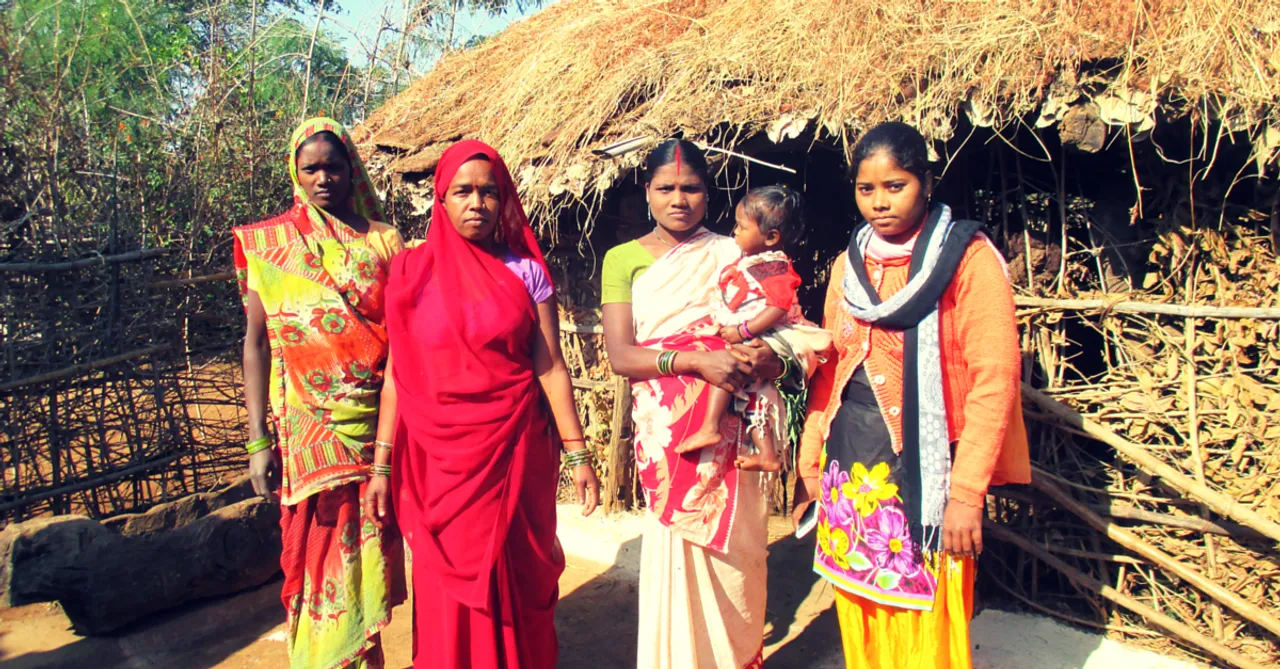
Today’s Indian society calls itself modern, but the mindset of many individuals and communities still harbours the same narrow- mindedness and hierarchical approach of the colonial era, when society was divided into several classes to simplify governance. The tribal societies of the Northeast have largely avoided these notions of casteism and hierarchy. Traditionally, tribal societies have had no rigid hierarchy; everyone is seen as equal human being. Many people are unaware that they are administratively categorized as Scheduled Tribes, Scheduled Castes, or Other Backward Classes. In their mountain and community lives, every individual deserves respect, and within their limited resources, they consider themselves independent and self-respecting—as if each individual were the king of their own small world.
Educational institutions are considered, after the family, the most important and disciplined place for personality development. Along with higher education, students are also prepared for society as mature citizens with many expectations. We generally believe that educational institutions are places with a calm, disciplined, well-organized, and controlled environment, where students go to shape their future. A large part of students’ lives are spent within these campuses. According to various reports from 2019 to 2024, incidents of discrimination and harassment in many educational institutions across the country have shocked the entire nation. This is why the University Grants Commission (UGC), a premier institution, faces the challenge of not only improving the quality of education but also ensuring an equitable, safe, and discrimination-free educational environment in all higher educational institutions across the country.
Under the provisions of the UGC Bill 2026, special emphasis is placed on preventing any form of discrimination against students from Scheduled Castes, Scheduled Tribes, Socially and Educationally Backward Classes, Economically Weaker Sections, and students with disabilities, and on maintaining an equal and inclusive environment on campuses. This law is even more important for students from the Northeast, as they cannot expect anyone to discriminate against them solely on the basis of their different facial features. Most of the country’s prestigious educational institutions are located in major cities, and many students from the Northeast are forced to study in these cities, even if they do not want to, in search of knowledge and a better future. Ironically, not only classmates but sometimes even teachers in these institutions have a very limited view of the social and cultural knowledge related to the Northeast. As a result, informal and indirect racial discrimination has become commonplace on campuses. If a student protests, they often find it best to remain silent due to fears of expulsion, accusations of disrupting the environment, or social pressure. In many cases, students have to hide this from their parents and family, as they are the sole source of their hopes. Numerous such examples have already emerged. In these circumstances, the effective implementation of the UGC Bill 2026 is expected to provide relief from racial and social discrimination to students from all disadvantaged communities, including those from the Northeast. Ensuring better oversight and accountability in colleges and universities will provide students with a more safe, respectful, and inclusive educational environment.
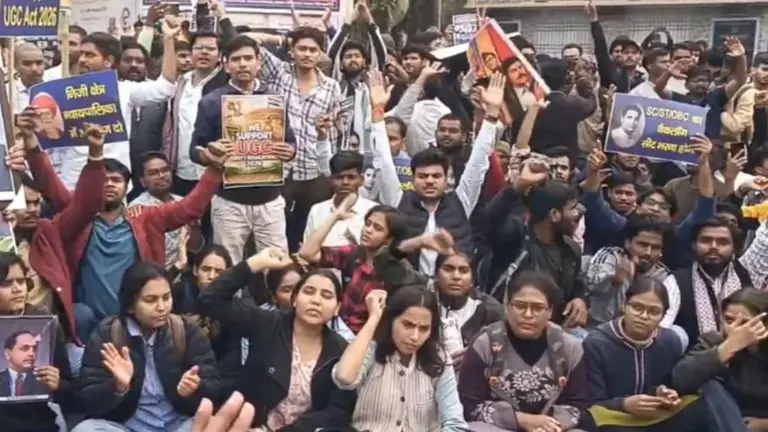
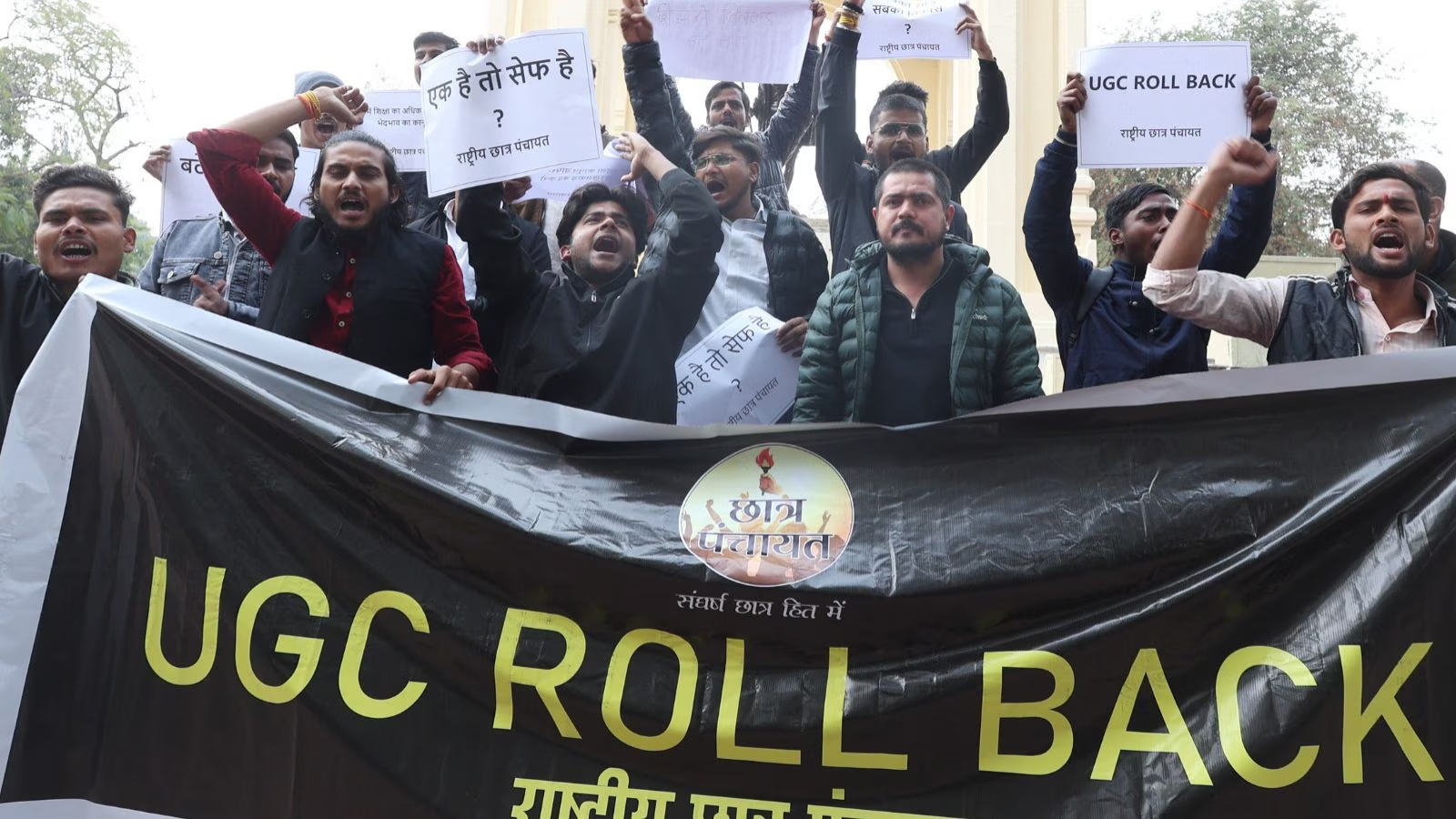
Although this bill provides for its nationwide implementation from January 15, 2026, another aspect of this law’s implementation is that the very classes and communities for whose protection this law was enacted often themselves remain victims of discrimination and neglect, because the mindset of those who exploit does not immediately change simply by the enactment of the law. Even though circumstances have changed, many people still harbor the same prejudices. It is also clear that the problem of discrimination is not limited to racial identity. General category students can also face discrimination due to various reasons, such as physical impairment, disability, economic weakness, and social circumstances. Therefore, this law should be equally effective for all students. Some believe that the introduction of this bill at this time appears to be a political move, especially in the backdrop of the upcoming Panchayat elections in Uttar Pradesh. There are also fears that this bill may be used to attract voters from Scheduled Castes, Scheduled Tribes and Other Backward Classes.
Nevertheless, it must be acknowledged that this bill could certainly bring about some positive changes in the campus environment for students from the Northeast. Any sincere effort to improve the current deteriorating conditions is significant, as it is impossible to maintain a balanced education while living in an environment of fear and insecurity.
If this law reduces the discrimination faced by Northeastern students by even a mere one percent, it would be a ray of hope. This law will ensure that students do not feel alienated or out of place on campus due to their identity, appearance, eating habits, or accent and that they can pursue knowledge without mental pressure this will be a significant achievement in itself. This will propel India onto the path of progress, not discrimination. Even if this law is currently implemented slowly or even suppressed for some reason, it will be necessary to re-enact it in the future with even stronger and stricter regulations. But if this is unnecessarily delayed, it is difficult to imagine how many more Northeastern students will have to compromise their self-respect and self-esteem during this time. And how many will have a profound impact on the course of their lives? It is impossible to estimate this.