Shattered Dreams, Unbroken Resolve: A Tribal Woman’s Struggle for Dignity in Higher Education
On 3 February 2026, I received an email from the University of Hyderabad informing me that my Ph.D. admission had been cancelled. With a single administrative communication, ten years of perseverance, intellectual labor, and emotional endurance were brought to an abrupt halt. The message did not merely terminate my enrollment; it fractured my sense of belonging, shook my family’s faith in higher education, and wounded the aspirations of a community that had seen in my journey a symbol of possibility.
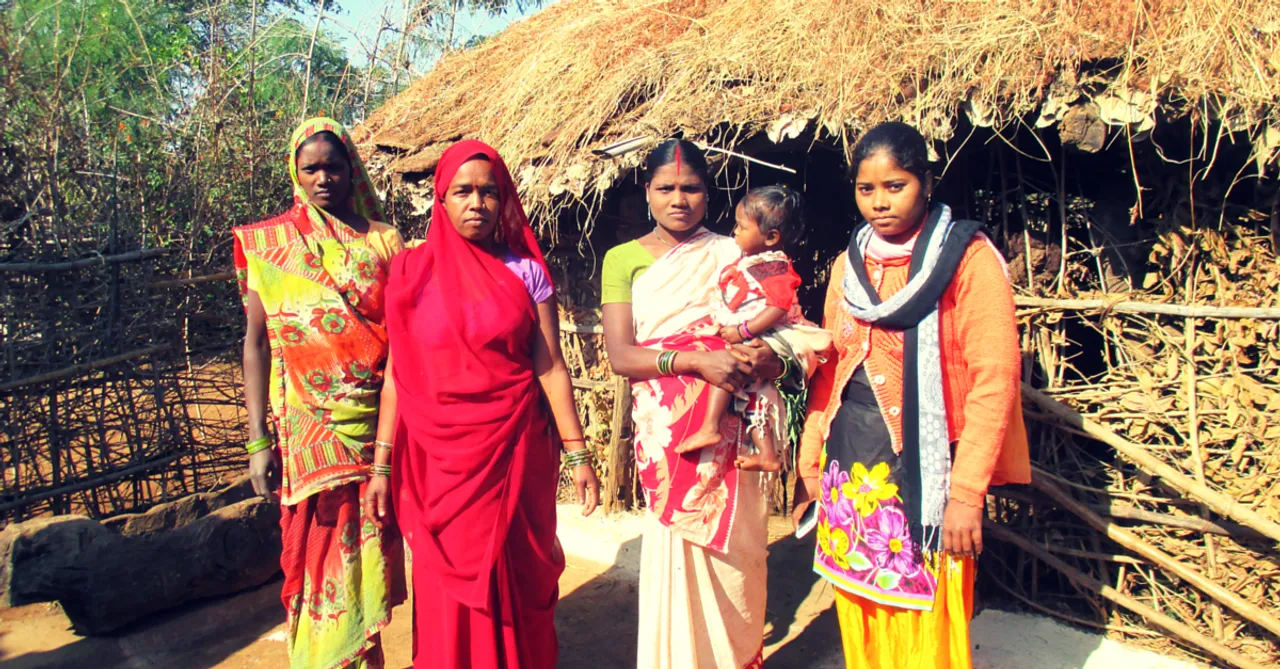
For me, this was never just about earning a doctoral degree. I am a woman from the Tharu community of Uttar Pradesh—an Indigenous Scheduled Tribe group with limited representation in higher education. I am the first highly educated Tharu woman from my region to pursue a doctorate. My academic journey carried not only personal ambition but collective hope. Families in my community began to imagine sending their daughters to universities because they believed that if I could do it, so could their children. The cancellation of my Ph.D. admission has therefore reverberated far beyond my individual life; it has struck at the fragile confidence of a historically marginalized society.
A Decade of Struggle:
My doctoral journey began in 2016 with optimism and commitment. I entered the program determined to work diligently and contribute meaningfully to scholarship. However, from the very first day of admission, my relationship with my research supervisor became a source of distress rather than guidance. Instead of academic mentorship, I encountered hostility, obstruction, and repeated attempts to undermine my confidence. A continuous battle for survival within the system.
Research supervision is built upon trust, dialogue, and mutual respect. A guide is expected to nurture intellectual growth, provide methodological direction, and ensure that a scholar navigates institutional processes smoothly. In my case, the opposite occurred. Academic communication became strained; minor technical issues were amplified into major deficiencies; and procedural requirements were interpreted in ways that placed me at constant risk of non-compliance. Over time, what should have been an intellectually stimulating journey turned into a continuous battle for survival within the system. Many well-meaning individuals attempted to mediate. Colleagues, acquaintances, and concerned persons tried to resolve misunderstandings and encourage constructive engagement. Yet every appeal was dismissed. The atmosphere grew increasingly adversarial. Eventually, my supervisor allegedly exerted pressure on the administration, culminating in the cancellation of my Ph.D. registration. A process that should have been governed by academic evaluation and procedural fairness instead felt shaped by power dynamics and unilateral authority.
The Burden of Identity:
While academic disagreements can arise in any doctoral program, the context in which they occur matters deeply. I belong to a Scheduled Tribe community that has historically been marginalized in educational institutions. Representation of tribal women in doctoral programs remains extremely limited. As the first Tharu woman from my region to reach this level, my presence itself challenged entrenched assumptions about who “belongs” in elite academic spaces.
Over the years, I began to sense that my identity was not merely incidental but central to the hostility I experienced. Comments, attitudes, and subtle insinuations suggested that I was perceived as less capable. I was made to feel that I had to prove, repeatedly and disproportionately, that I deserved to be there. The narrative that gradually emerged portrayed me as incompetent, careless, or unworthy—stereotypes often imposed upon students from marginalized backgrounds.
Internalizing such narratives can be psychologically devastating. After years of being questioned and obstructed, I began to doubt myself. I asked whether I truly was inadequate, whether I lacked the intellectual ability to complete a doctorate. Yet, objectively, this was not the case. I had qualified for admission through established criteria. I had worked diligently on my research. I had invested countless hours in reading, writing, and refining my work. The image of failure was constructed not by academic incapacity but by sustained institutional pressure.
Technicalities as Tools of Exclusion:
One of the most distressing aspects of my experience was the repeated invocation of technicalities. Academic regulations are necessary for maintaining standards; however, when rules are selectively or excessively applied, they can become tools of exclusion. Minor procedural lapses were treated as grave violations. Clarifications were delayed. Feedback was ambiguous. Administrative processes that should have facilitated progress instead became obstacles. Over a ten-year period, these technical complexities accumulated, creating an environment of uncertainty. Instead of focusing on research questions, theoretical frameworks, and scholarly contributions, I found myself entangled in bureaucratic defenses. The constant threat of cancellation loomed over my academic life, culminating in the final decision conveyed through an email.
The cancellation not only nullified my academic registration but symbolically erased a decade of intellectual labor. Ten years— years in which peers completed degrees, secured jobs, and advanced in their careers— now appear lost in procedural ambiguity.
Psychological Consequences:
The psychological toll of such prolonged struggle cannot be overstated. Doctoral research is inherently demanding; it requires resilience, discipline, and sustained motivation. When institutional hostility is added to this equation, the burden becomes overwhelming. Feelings of helplessness, humiliation, and despair gradually intensify.
Receiving the cancellation email felt like a public declaration of my inadequacy. I imagined people whispering that the “tribal girl” could not survive the rigors of doctoral research. I worried about the message it would send to young girls in my community. If the first among them failed, would others even dare to try?
Mental health in academic spaces is rarely discussed openly, especially among students from marginalized backgrounds who often feel compelled to appear strong. Admitting vulnerability can be mistaken for weakness. Yet the emotional impact of exclusion is real. Being repeatedly told, implicitly or explicitly that one does not belong corrodes self-worth.
Collective Disappointment:
My family had supported me unwaveringly. They celebrated each milestone: admission, coursework completion, research presentations. For them, my progress symbolized social mobility and dignity. When I informed them of the cancellation, their silence spoke volumes. It was not only my dream that had shattered but theirs as well.
Within the Tharu community, news of my academic journey had inspired many. Parents who once hesitated to send daughters beyond secondary school began to reconsider. They saw education not as an abstract ideal but as a lived possibility. The recent development risks reversing that fragile progress. When institutions appear hostile to marginalized scholars, communities internalize the belief that higher education is not meant for them.
Institutional Responsibility:
Universities are not merely centers of knowledge production; they are public institutions entrusted with upholding constitutional values of equality and justice. When a scholar’s registration is cancelled after a decade of engagement, questions arise regarding procedural transparency, due process and accountability. Was the scholar given a fair hearing? Were grievances addressed impartially? Was there an independent review mechanism? Were anti- discrimination safeguards activated? These questions extend beyond one individual case. They speak to systemic structures that can either protect or marginalize vulnerable scholars. Institutions must ensure that supervisory authority does not become unchecked power. Clear grievance redressal systems, independent review committees, and transparent communication channels are essential.
The Gendered Dimension:
Being a tribal woman adds another layer to the experience. Women in academia often confront gender biases—expectations about demeanor, competence, and ambition. For tribal women, these biases intersect with caste and ethnic marginalization. The combined effect can be isolating. Balancing societal expectations, familial responsibilities, and academic demands is already challenging. When institutional hostility compounds these pressures, the risk of attrition increases. The loss is not merely individual; it represents the erosion of diversity within scholarship.
Resilience amid Rupture:
Despite the devastation, I refuse to allow this episode to define my intellectual identity. Ten years of research, reading, and writing cannot be erased by a single email. The skills I acquired, the knowledge I built, and the perseverance I demonstrated remain part of me. Resilience does not mean denying pain; it means refusing to surrender to it. The path ahead is uncertain. Legal remedies, administrative appeals, and public advocacy may become necessary. Yet beyond procedural recourse lies a deeper commitment: to ensure that no other tribal girl endures such prolonged marginalization.
A Call for Reform:
This experience underscores the urgent need for structural reforms in Indian higher education. Clear guidelines delineating the responsibilities of supervisors and scholars, with mechanisms to change supervisors without retaliation. Functional Equal Opportunity Cells and SC/ST Cells with real authority to investigate complaints impartially. Doctoral evaluations and disciplinary actions must follow strict timelines and provide opportunities for defense. Universities should proactively offer counseling services tailored to marginalized students. Administrative decisions affecting a scholar’s future must be documented with detailed reasoning and subject to appeal. Reclaiming the Narrative While my doctoral dream has been interrupted, it is not extinguished. Being the first Tharu woman to pursue a Ph.D. is still a historic step, regardless of the outcome. The journey itself challenges entrenched hierarchies.
Even in apparent defeat, there is resistance, resistance against silence, against invisibility, against imposed inadequacy. Higher education must not become a site where marginalized scholars are made to feel disposable. It should be a space of empowerment and intellectual liberation. When institutions fail to protect that promise, they must be reminded, through dialogue, reform, and accountability, of their constitutional and moral obligations. The email of 3 February 2026 may have closed one chapter, but it has also illuminated systemic fractures that demand attention.
My story is not solely about loss; it is about the urgent need to safeguard dignity within academia. If the dream of a doctoral degree has been deferred, the dream of justice remains alive. And for every young Tharu girl watching, I say this: education is still your right. Your presence in universities is not an act of charity granted by institutions, it is a rightful claim grounded in equality. No cancellation letter can erase that truth.