The Era of A2 Politics- The Legacy of Ambedkar, Karpoori, and Kanshi Ram
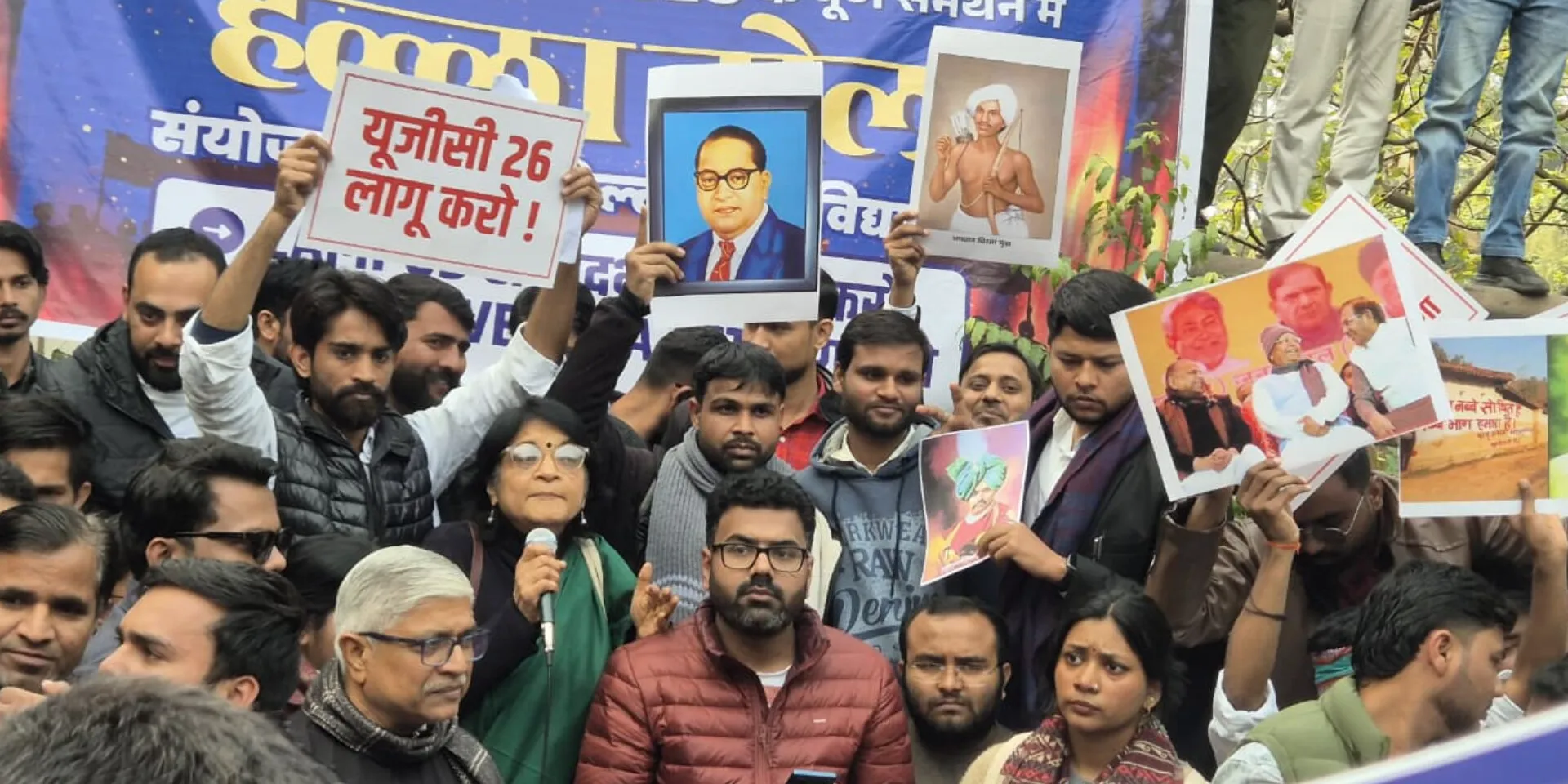
We are living in a time shaped by the politics of AK² — Ambedkar, Karpoori, and Kanshi Ram. These are not just names but the cornerstone figures who built Indian democracy on the foundation of justice for the weak and marginalised. They gave voice to those who had long been silenced, and today, no political discourse on democracy or social justice in India can be complete without acknowledging their legacy.
These leaders represent the pulse of the oppressed and continue to be the conscience keepers of Indian democracy.
Throughout history, several leaders have fought tirelessly for the upliftment of the underprivileged and the marginalised.
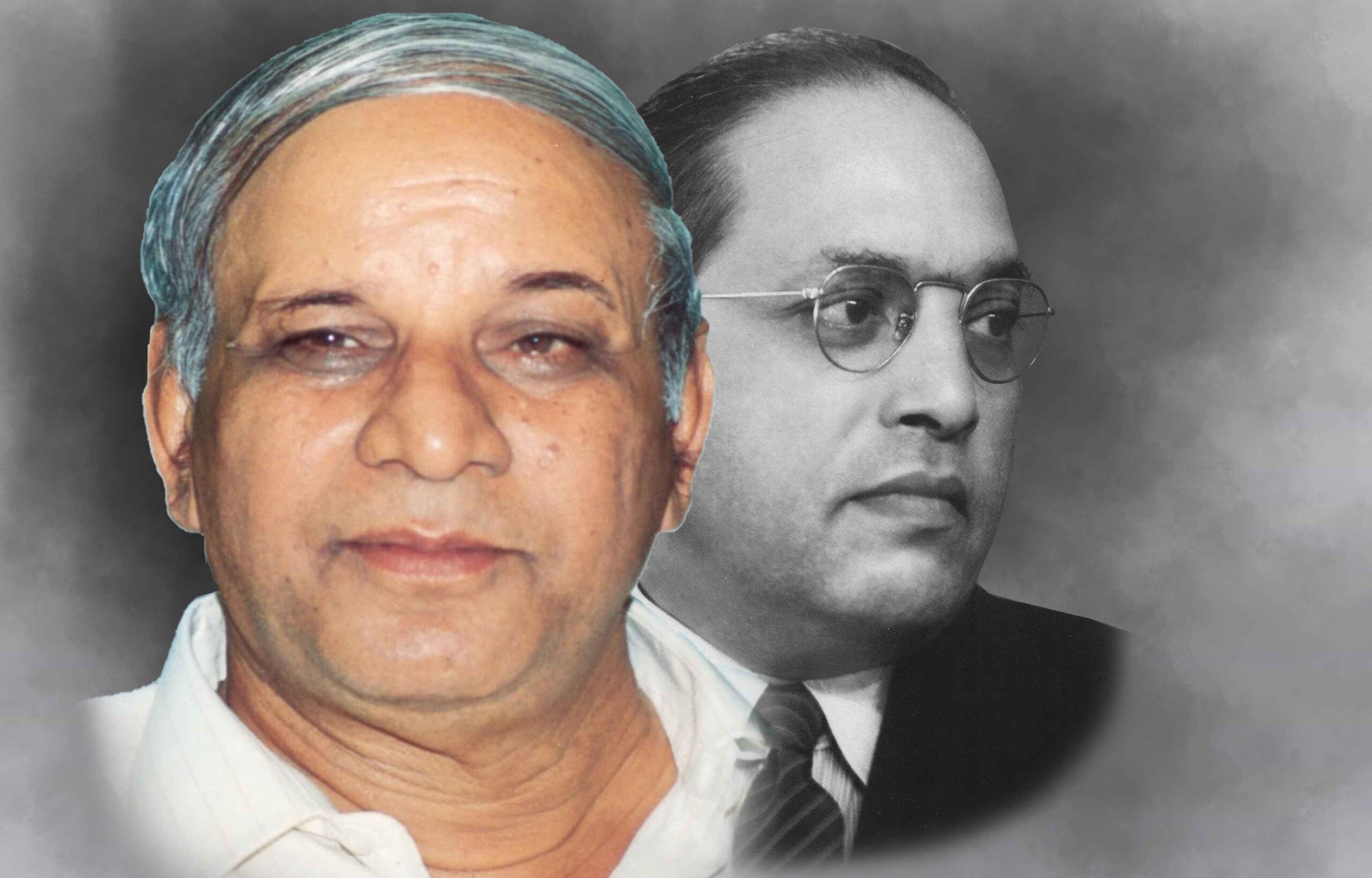
Among them, Dr. B.R. Ambedkar, Kanshi Ram, and Karpoori Thakur stand tall as icons who dedicated their lives to securing justice for Dalits, backwards castes, and the disadvantaged. Their politics were rooted in the ideals of social equality, education, and political representation.
They redefined the democratic framework by giving the Bahujan (majority marginalised) community a distinct identity and power.
Dr. B.R. Ambedkar – Architect of the Constitution and Champion of Social Reform
Dr. Ambedkar, the principal architect of the Indian Constitution, was also a fierce social reformer. His life was devoted to fighting for the rights of Dalits and the marginalised. He believed that education, organisation, and resistance were the three pillars necessary to empower any oppressed society.
Kanshi Ram – Architect of the Bahujan Movement
Kanshi Ram carried forward Ambedkar’s legacy by turning the ideals into a grassroots movement. He founded the Bahujan Samaj Party (BSP) with the aim of uniting Dalits, backwards castes, and tribals into a consolidated political force. He believed in giving the Bahujan the power to participate in and shape political governance.
His efforts were focused on transforming these communities into an organised and politically aware force. He established BAMCEF (1978), DS-4 (1981), and finally the BSP in 1984.
Kanshi Ram’s famous slogan, “Jiski jitni sankhya bhaari, uski utni hissedari” (One’s share should be proportional to their population), became a rallying cry for social and political equality.
Karpoori Thakur – Messiah of the Most Backwards
Known as the “Son of the Soil,” Karpoori Thakur, former Chief Minister of Bihar, was a staunch advocate for the extremely backward classes (EBCs) and the poor. His most revolutionary contribution was the implementation of EBC reservations in Bihar. Rooted in socialist ideology, Thakur believed in equal opportunity for all, irrespective of caste or class.
He gave the slogan “Pichda pave sau mein saath” (The backward should get 60 out of 100), placing social justice at the core of his politics. He joined the broader socialist movement under the leadership of Jayaprakash Narayan and championed systemic change through grassroots activism.
Unity in Ideology and Purpose
Despite their different eras and approaches, Ambedkar, Kanshi Ram, and Karpoori Thakur shared a common mission — achieving social justice through political empowerment. Ambedkar fought for Dalits, Kanshi Ram for the broader Bahujan community, and Karpoori Thakur for the most backward among them. Each battled against caste-based discrimination and inequality, using education, political representation, and constitutional reform as tools for change. They viewed politics not as a quest for power but as a vehicle for social transformation. Power, in their view, was not an end but a means to ensure justice and dignity for the marginalised.
Shaping the Present, Inspiring the Future
These three leaders successfully awakened Bahujan consciousness in their times and continue to be central figures in today’s political discourse. Ambedkar gave Dalits legal rights through the Constitution. Kanshi Ram created political structures that empowered the Bahujan. Karpoori Thakur brought the most backwards into the mainstream through radical social and economic reforms.
Their legacy lives on — not just in memory, but in every movement that demands dignity, equity, and representation. In today’s age of AK² politics, they remind us that true democracy begins with the voice of the marginalised