Indian Media at a Crossroads: A Crisis of Credibility, Diversity, and Public Trust
In the 2024 edition of the World Press Freedom Index, India ranks 159th among 180 countries, as assessed by the global media watchdog Reporters Without Borders. At the same time, it is slightly better than last year’s rank, which was 161. But this is not even close to a consultation prize as this ranking happened because other countries had slipped in their rankings.
This position reflects a systemic crisis across the spectrum of Indian media — print, television, radio, digital platforms, and even cinema. They have become more biased, which has led to the erosion of editorial independence.
This Crisis is Beyond the Number Game If we look back, in 2012, India was ranked 131 on the same index. Though it was still way behind the ideal number.
But the number here is not the issue, the main issue is why we were so low even then. Well, the erosion of public trust, journalistic ethics, and editorial independence is not new: Dr. B.R.
Ambedkar addressed this in his 1951 resignation speech, remarking that:
“Journalism in India was once a profession, now it is a trade.”
He detested the media’s growing proximity to power, its sensationalism, and its tendency to promote individual figures rather than uphold democratic responsibility. He also warned of the dominance of upper-caste interests and the exclusion of marginalised voices.
We are in 2025, and even now, these concerns remain just as pressing. Both media leadership and policymakers must take these issues seriously and work toward meaningful reform.
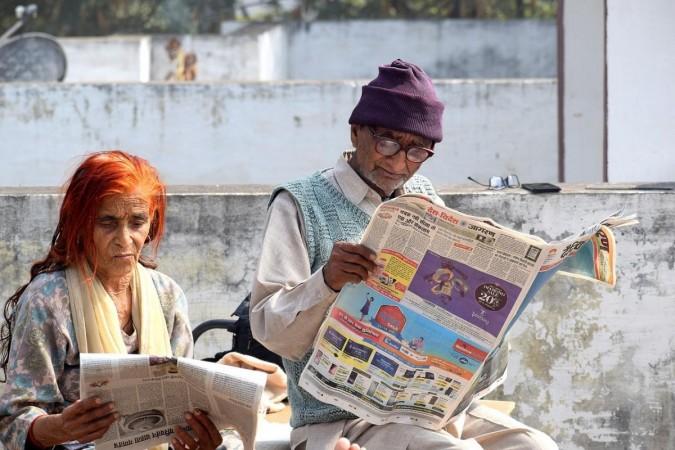
Print Media: Once known for in-depth analysis and editorial integrity, sections of print media today lean towards corporate interests and soft propaganda.
Example: In 2023, several front pages of The Times of India, Dainik Bhaskar, and The Indian Express featured identical political advertisements designed to look like news articles, blurring the line between editorial and sponsored content.
Example: In 2024, during the protests against the Agnipath military recruitment scheme, particularly after violent clashes and widespread youth unrest in states such as Bihar and Haryana, several leading national dailies provided limited front-page coverage, downplaying the extent of discontent. Meanwhile, regional newspapers, independent portals, and social media platforms captured on-ground realities and the sentiments of affected aspirants, exposing the growing disconnect between mainstream editorial priorities and public concerns.
Television News: Television news in India continues to command immense reach but often prioritises sensationalism over substance, blurring the lines between journalism and spectacle.
In 2020, the tragic death of actor Sushant Singh Rajput became a media prime time. Channels like Republic TV and Times Now ran relentless coverage, amplifying conspiracy theories and pushing speculative narratives without verified evidence. The tone was accusatory, the coverage constant, and the media began issuing verdicts while the case was still ongoing in court.
Fast forward to March 2025, the Central Bureau of Investigation (CBI) formally closed the case, stating that Rajput’s death was a suicide and that no foul play was involved. Republic TV reported the closure, and Times Now covered procedural updates related to the court filings. However, neither channel reflected meaningfully on their prior coverage. The silence was telling. The contrast between the aggressive posturing in 2020 and the muted response in 2025 underscores a persistent issue in Indian television journalism: the absence of accountability when narratives collapse. Sensationalism sells — but truth rarely gets a headline.
Digital Platforms
While digital media offered hope for independent journalism, it now battles threats of government censorship, trolling, and economic insecurity.
Example: Websites like The Wire, Scroll.in, Article 14, and Newslaundry have pursued investigative journalism despite lawsuits and financial constraints, offering a contrast to mainstream outlets.
Example: The blocking of critical YouTube channels and fact-checking platforms has raised concerns about shrinking digital space for dissent.
Radio: Radio, especially community stations, remains underutilised despite its reach and potential for social change.
Example: While community radio stations like Radio Namaskar (Odisha) or Radio Ujjas (Rajasthan) provide valuable grassroots engagement, they receive limited support and face excessive licensing barriers.
Cinema and Popular Culture Mainstream cinema, which holds massive cultural influence, often reinforces dominant narratives or avoids political critique.
Example: Films like The Kashmir Files were accused of promoting polarisation and communal rhetoric, while receiving government endorsements and tax exemptions.
Example: Meanwhile, socially conscious films like Phule, Article 15, Jai Bhim, or Court have highlighted caste discrimination and judicial issues, but remain exceptions rather than the norm.
Even streaming platforms like Netflix or Prime Video have recently begun self- censoring content, anticipating backlash or legal trouble — narrowing the space for bold, diverse storytelling.
Representation: The Missing Majority Media must reflect the country it serves. Yet, a 2019 Oxfam–Newslaundry report revealed that over 90% of leadership positions in Indian media are held by individuals from upper-caste Hindu backgrounds.
During the 2022 Uttar Pradesh elections, debates on Dalit issues aired on national TV with zero Dalit panellists, highlighting systemic exclusion.
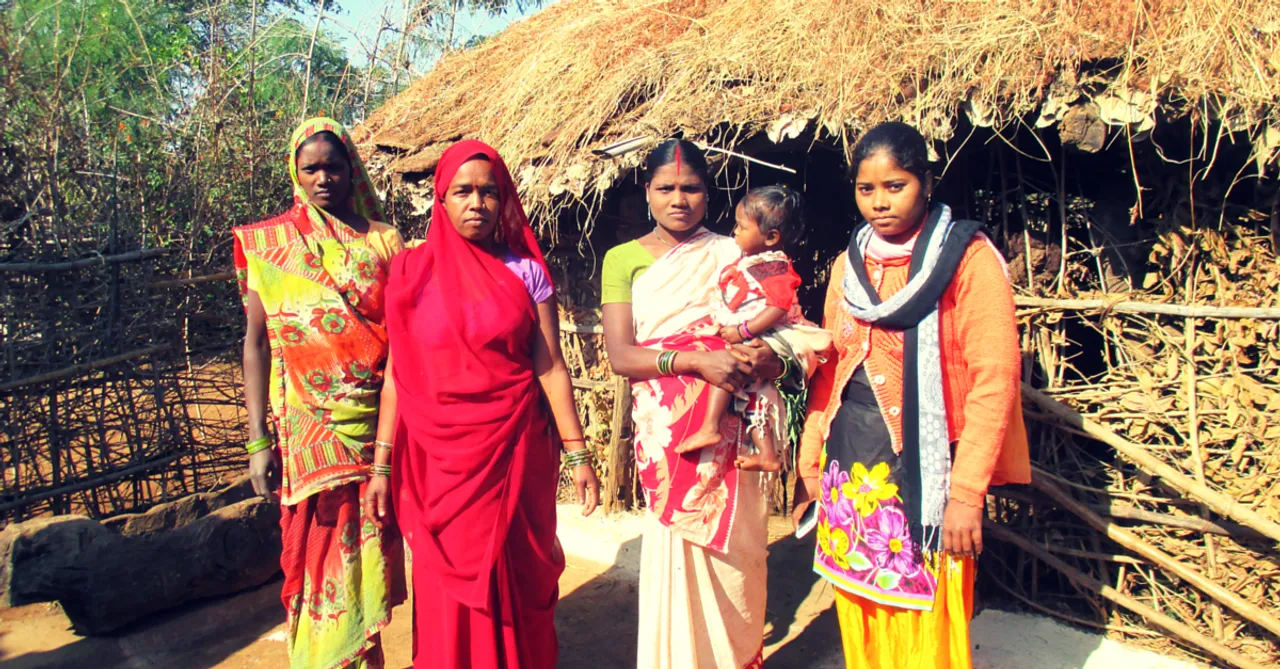
Adivasi and Muslim voices remain nearly invisible in primetime discussions, despite forming a significant portion of India’s population.
Profit over People: Commercial Pressures and Editorial Compromise As media houses increasingly rely on advertising and conglomerate funding, editorial integrity is compromised.
Stories that challenge powerful interests— political or corporate — are often dropped, diluted, or never published.
Example: The resignation of senior journalists from NDTV, once a symbol of editorial independence, after its takeover by the Adani Group in 2022, sparked concerns about media monopolies and silent censorship.
Parliament’s Role: From Observation to Action
To safeguard media freedom and democratic integrity, policymakers must act decisively. Some critical interventions may include:
Mandating transparency in media ownership and funding to prevent conflicts of interest.
Enforcing caste and community diversity norms in media employment and editorial boards. Strengthening public broadcasters like DD and AIR with editorial independence and community accountability.
Promoting independent journalism through public-interest grants and tax benefits.
Expanding and simplifying community radio licences to foster grassroots voices.
Safeguarding digital news creators from arbitrary blocking or harassment.
Conclusion: Rebuilding Trust, Restoring Purpose
India’s democracy cannot flourish without a media that is fair, inclusive, and independent. The challenges confronting Indian media today are no longer limited to censorship or overt political influence — they cut deeper into the very structure of how narratives are created and controlled. Systemic exclusion, corporate consolidation, erosion of editorial independence, and the shrinking space for dissent are all symptoms of a deeper malaise: the loss of the media’s commitment to public service.
Real reform cannot be cosmetic. It must begin by asking fundamental questions:
Whose stories are being told? Whose voices remain invisible? Who controls the narratives that shape national consciousness?
Without addressing these core issues, India risks nurturing a media landscape that amplifies only the powerful, sidelines the marginalised, and distorts the idea of an informed public.
As lawmakers and custodians of the Constitution, Members of Parliament have a crucial responsibility in this regard. Supporting a media ecosystem that reflects the true diversity of India — across caste, class, gender, and region — is not just about protecting freedom of speech; it is about strengthening the foundations of Indian democracy itself.
This requires more than rhetoric. It demands bold legislative frameworks that safeguard press freedom, incentives for independent journalism, protection for whistleblowers and investigative reporters, transparent regulation of media ownership, and support for regional and community media initiatives.
The choice before us is stark: we can continue to treat media as an instrument of influence, or we can restore it to its rightful place — as a platform for accountability, diversity, truth, and public empowerment.
A media that is truly free and representative will not only serve democracy, but it will also safeguard the soul of the Republic.