India’s Press Freedom Crisis and the Vanishing Voice of the Bahujan
I often return to Dr. B.R. Ambedkar’s 1943 essay “Ranade, Gandhi and Jinnah”, where he said something prophetic: journalism in India started as a mission during the freedom struggle, later became a profession, and eventually morphed into an industry.
That transformation, he warned, would compromise the integrity of the press. Today, we see exactly that.
Journalism Without the Margins Is Just Public Relations
Dr. Ambedkar noted that journalists in his time often served their “masters” and indulged in hero worship.
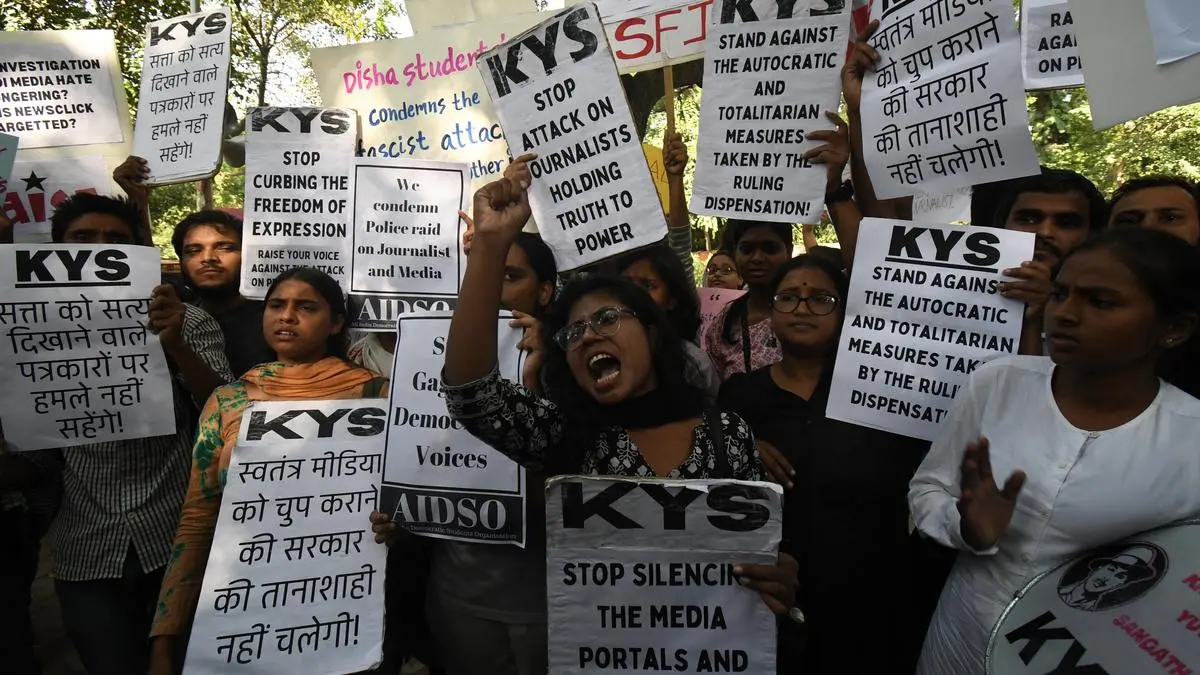
Even the World Press Freedom Index has recently ranked India at 159 out of 180 countries. This isn’t just a number— it’s a reflection of a dangerous silence that is creeping into our democracy. For me, this silence is not new. It has been building for decades, especially when it comes to the voices of Dalits, Adivasis, and OBCs.He called much of the Indian press “Hinduwadi” — not because it reported news, but because it consciously excluded the stories and struggles of the oppressed.
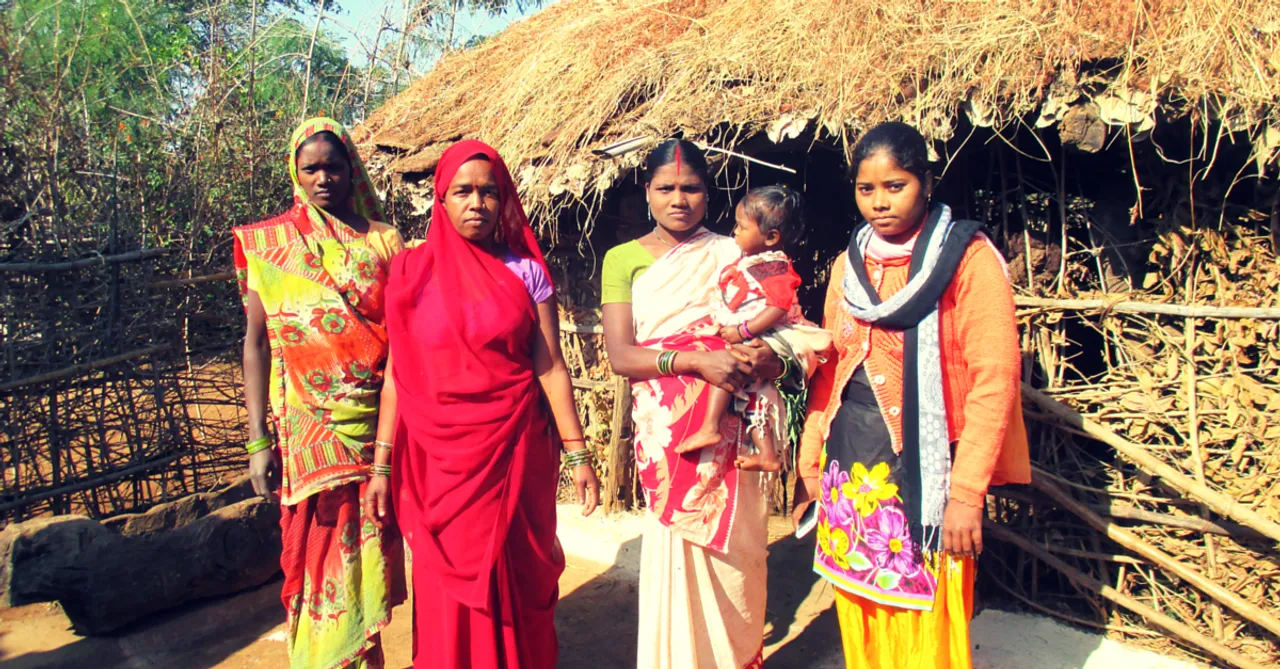
If we examine today’s media landscape, we must ask: has anything really changed? Look closely, and you’ll realise that Dalit, Adivasi, and Bahujan voices remain conspicuously absent. We are only visible when there’s an atrocity, not when there’s an achievement. When a Dalit is raped, murdered, or beaten, the media claims to “cover Dalit issues.” However, when a Dalit excels in science, civil services, or art, silence prevails.
Let me be clear: reporting atrocities is not the same as representing the community. That’s not Dalit news; that’s Savarna society’s horror story. Real representation begins when we start celebrating the success, resilience, and creativity of Bahujan communities, not just their suffering.
Kanshi Ram Understood This Media Void Early On
That’s why Kanshi Ram didn’t rely on existing media. He created his own. Starting with The Untouchable in the 1970s, he went on to launch The Oppressed Indian, The Bahujan Times, and later Bahujan Sangathak. For nearly 30 years, these publications amplified what mainstream media never did — the organised resistance, political articulation, and cultural assertion of India’s oppressed.
He rightfully called the mainstream press “Manuwadi” — not because of its personnel alone, but because of its ideology. It was never designed to report on our realities truthfully or consistently. Even today, despite having hundreds of TV channels and digital outlets, where is the representation of SC, ST, and OBC journalists, editors, or anchors? We might see more women on screen today, but Dalits and minorities are still invisible.
BSP Is Not a Party, It Is a Protest in Motion
Much like the media, people are also quick to write off the Bahujan Samaj Party (BSP). They look at its recent electoral performance and ask, “Is it even relevant anymore?” I say that BSP is an embodiment of resistance. It was born not in air-conditioned rooms but in the burning ghettos of injustice, where caste atrocities, landlessness, and systemic exclusion were everyday realities. As long as this structure of oppression exists, BSP will remain relevant.
Let me point to NCRB data: every day in India, 154 crimes are committed against Dalits. Around 12 Dalit women are raped daily. These are not just statistics; they are calls to action. And BSP is one of the few political entities that still responds to that call.When the Supreme Court ruled against reservation in promotions, the BJP and Congress stayed silent. It was Behen Mayawati and the BSP who took a stand. That is not just politics; that is moral clarity in a nation that is rapidly forgetting its constitutional commitments.
What Must Be Done
If we truly believe in democracy, the media must democratise itself — not through symbolic gestures, but by giving real decision-making power to marginalised communities. Journalism must return to its roots: as a mission for the people, not a market-driven enterprise.
At the same time, we must stop measuring Bahujan movements by Savarna metrics. BSP’s relevance lies not just in its seat count, but in the questions it compels us to confront — ones others ignore. Dr. Ambedkar gave us the tools. Kanshi Ram built the platform. It is now our responsibility to ensure these legacies don’t fade into ritual. They must thrive — in newsrooms, politics, and public discourse.
Until we centre the silenced, we remain a democracy in name, not in practice.