Congress’s Commitment to Social Justice: A Vision for Inclusive Governance
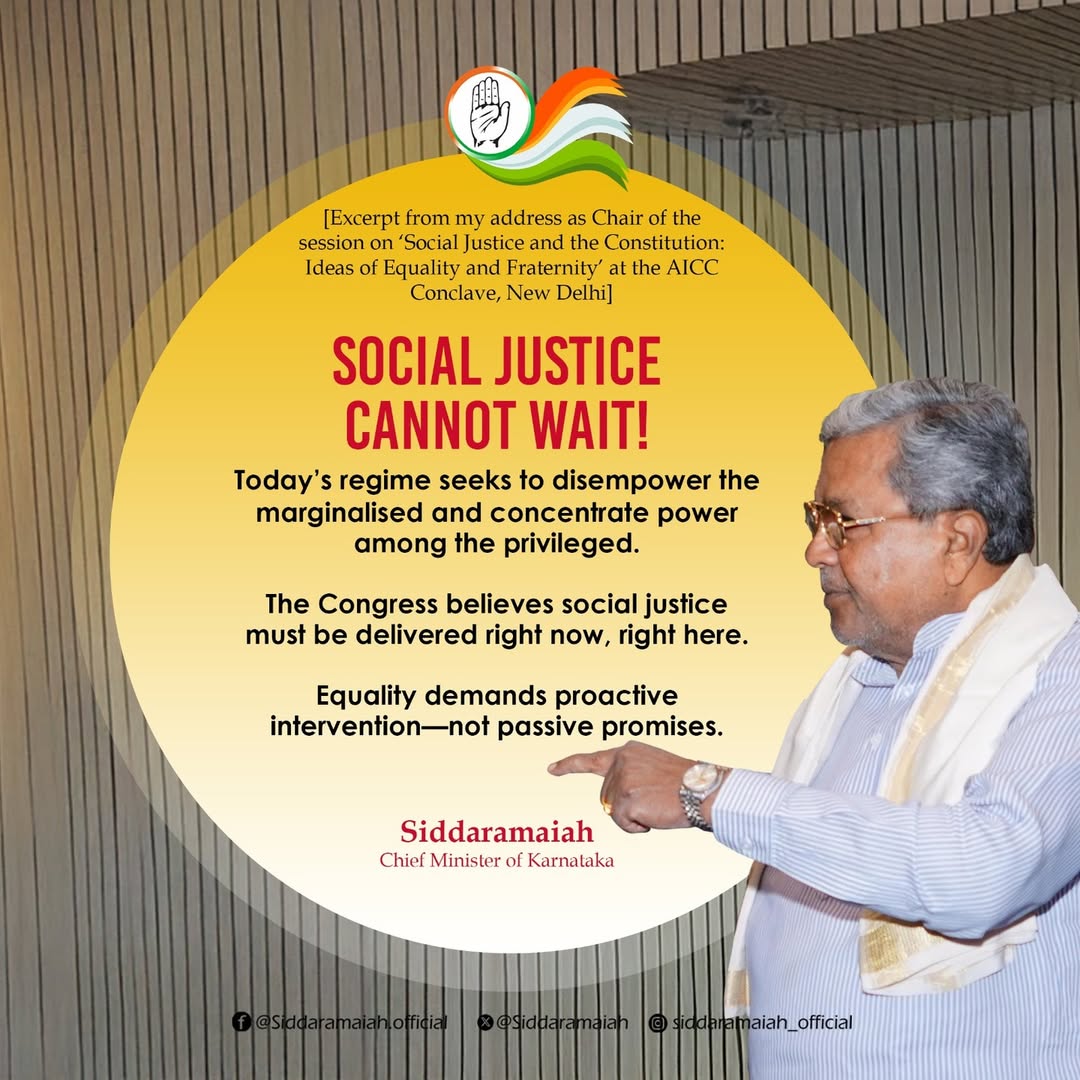
In recent years, social justice and empowerment of marginalised communities have become central issues in Indian politics. The Congress Party, historically a key advocate for Dalit, OBC, and minority rights, has consistently worked to create policies that foster equality and provide opportunities for all citizens, regardless of caste, religion, or background. The party’s vision for social justice is built on the core principles of equality, representation, and opportunity, inspired by the ideologies of Dr. B.R. Ambedkar and Mahatma Gandhi.
Commitment to Caste-Based Enumeration and Socio-Economic Surveys
A central tenet of Congress’s approach to social justice is its commitment to implementing caste-based enumeration and socio-economic surveys. These surveys aim to collect vital data about the socio-economic status of different communities, enabling policymakers to tailor interventions that address the specific needs of marginalised groups. By understanding the challenges faced by Dalits, OBCs, and minorities more comprehensively, Congress aims to design policies that are not only inclusive but also effective in bridging the gaps of inequality that persist in society.
This initiative is particularly important as it will enable the Congress party to push for policies that allocate resources based on the real, on-the-ground needs of different communities. Accurate socio-economic data will help the government identify the areas where interventions are most urgently required, allowing for more targeted support for the marginalised. Whether it’s ensuring better access to education, healthcare, or economic opportunities, the Congress party envisions a system where every citizen, regardless of their background, has the tools they need to succeed.
Empowering Grassroots Leadership: The Congress Party has always prioritised empowering its grassroots leadership, understanding that real change starts at the local level.The party’s commitment to decentralisation involves granting district presidents more authority, enabling them to play a more significant role in representing their communities. This structural change ensures that the party’s leadership is inclusive and reflective of India’s diverse demographic. It is through such decentralised leadership that Congress aims to represent better the needs of Dalits, OBCS, and minorities in every region of the country.
This shift toward empowering local leaders also ensures that people from all backgrounds have a voice in the decision-making process. It is this kind of representation that Congress believes is essential for achieving true social justice. By ensuring that local leaders are more involved in shaping party policies and strategies, the party aims to create a more inclusive political structure that fairly represents all communities.
The Slogan “Jai Bheem Jai Bapu”
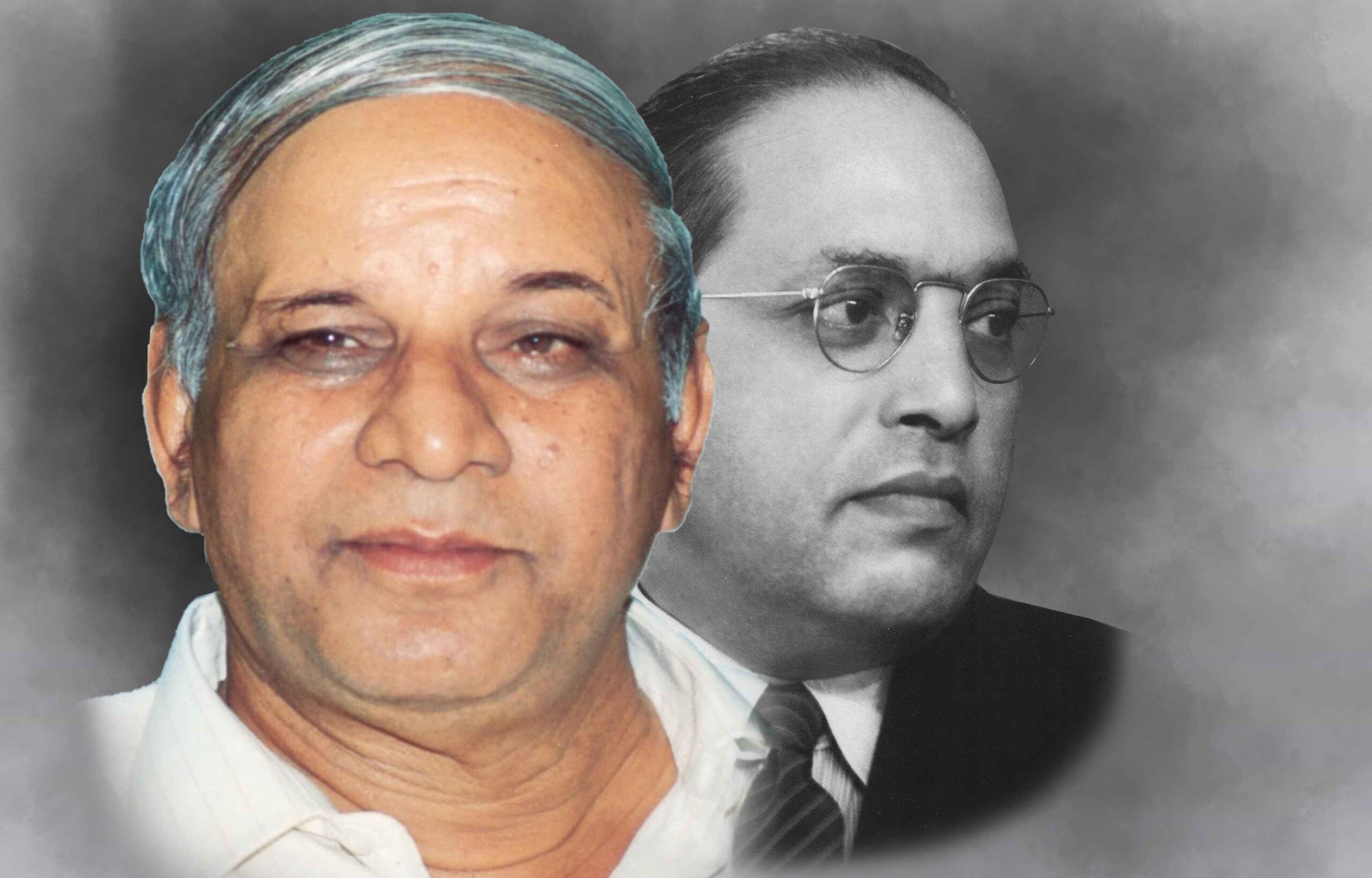
The Congress Party’s recent adoption of the slogan “Jai Bheem Jai Bapu” reflects the merging of two powerful ideologies that have shaped India’s approach to social justice: that of Dr. B.R. Ambedkar and Mahatma Gandhi. Dr. Ambedkar’s focus on equality and the abolition of the caste system, combined with Gandhi’s emphasis on unity and Non-violence forms the foundation of Congress’s philosophy. Dr. Ambedkar’s vision was grounded in the idea of complete social and political equality, which included breaking down the barriers created by the caste system. He fought for the rights of Dalits and other marginalised groups, advocating for their equal participation in all aspects of society, from education to political representation. Gandhi, on the other hand, believed in social harmony and unity. His ideology emphasised the importance of peaceful coexistence between different communities.
By adopting “Jai Bheem Jai Bapu,” Congress aims to combine the best of both ideologies. The slogan reflects the party’s commitment to ensuring equality for all communities, while also promoting unity and integration. The aim is not only to address social discrimination but also to ensure that marginalised communities have a fair share in all spheres of life, including politics, education, employment, and the judiciary.
The Congress Party’s track record in affirmative action demonstrates its commitment to providing opportunities for marginalized communities. The party has long been a supporter of job reservations, land rights for the landless, and scholarships for underprivileged students. These policies have significantly improved the lives of millions, providing them with the resources they need to succeed in life.
For example, Congress’s nationalisation of banks led to the implementation of reservation policies within the banking sector, offering Dalits and OBCS greater access to stable employment. Similarly, Congress’s land reforms and programs like the 20-point program have provided land, housing, and economic opportunities to thousands of marginalised families.
The party has also been instrumental in ensuring the representation of Dalits, OBCs, and minorities in key political and administrative positions. Whether in the judiciary, academia, or government jobs, Congress has consistently advocated for the inclusion of marginalised groups in positions of power. This type of representation is crucial in ensuring that policies reflect the needs of all segments of society, especially those who have historically been marginalised.
Comparing Congress and AAP: Action vs Rhetoric
While both the Aam Aadmi Party (AAP) and Congress have claimed to support Dr. Ambedkar’s vision of social justice, there are significant differences in their approaches. Congress, under its current leadership, has consistently implemented policies that benefit marginalised communities, while AAP, despite its rhetoric, has fallen short in providing meaningful participation for Dalits, OBCS, and minorities within the party and governance. While AAP may display Dr. Ambedkar’s portrait in its offices, its policies have not translated into substantive action.
In contrast, Congress’s affirmative action policies have had a direct and positive impact on the lives of millions of marginalised individuals. Congress’s efforts have been focused on ensuring that Dalits and OBCs are not just symbolically included but are given real opportunities for growth and empowerment.
Social Justice Beyond Politics: A Long- Term Commitment
Congress’s vision of social justice is not limited to political representation; it extends to all aspects of governance.
The party believes that education, economic empowerment, and healthcare are fundamental rights for every citizen, and it has worked tirelessly to ensure that marginalised communities have access to these services.
The Right to Education Act, which guarantees free and compulsory education for children, and the Right to Food Act, which provides subsidised food grains to the poor, are just two examples of Congress’s commitment to social justice. These policies have made a significant difference in the lives of millions, especially those from marginalised communities who have historically been excluded from the benefits of development.
Furthermore, Congress has continually advocated for policies that promote economic empowerment for marginalised communities.
Job reservations in public sector jobs, land rights for the landless, and scholarships for underprivileged students have helped create pathways to success for Dalits, OBCs, and minorities.
The Role of Rahul Gandhi in Fostering Social Justice
Rahul Gandhi’s leadership in the Congress has played a crucial role in advancing the party’s commitment to social justice. His focus on inclusivity and his support for affirmative action policies have ensured that Congress remains at the forefront of the fight for equality. Gandhi has consistently called for the inclusion of Dalits, OBCs, and minorities in all aspects of Indian society, including politics, education, and employment.
Despite criticism from some quarters, Gandhi’s leadership has reflected a deep commitment to Dr. Ambedkar’s vision of equality and social justice. His work has continued to build on the foundations laid by Congress in the past, ensuring that marginalised communities have a voice in the country’s political discourse.
A Future of Equality and Opportunity Looking ahead, Congress remains committed to ensuring that social justice is not just a lofty ideal but a reality for every citizen of India. The party’s focus on caste-based enumeration, empowering grassroots leadership, and implementing affirmative action policies will continue to ensure that marginalised communities have access to the resources and opportunities they need to thrive. Congress is committed to building a more inclusive and equitable society where everyone, regardless of caste or background, has the opportunity to succeed.
In conclusion, Congress’s vision for social justice is clear: to create a society where every individual, regardless of their caste, religion, or background, has access to equal opportunities and rights. Through its policies of empowerment, representation, and inclusion, Congress seeks to build a future where marginalised communities are not only acknowledged but are given the tools to shape their own destiny. With a firm commitment to Dr. B.R. Ambedkar’s principles of equality and Mahatma Gandhi’s call for unity, Congress will continue to work toward creating a just and equal India for all.